

 English
 Русский язык
 Português
 Հայերեն
 日本語
日本語
 繁體中文
繁體中文
 بالعربية
 Tiếng Việt
 한국어
한국어
Why Create Your Own Brand Box?
Before diving into process, consider the benefits:
Brand Recognition
Every box that leaves your facility carries your identity. Over time, this consistent exposure builds familiarity and trust.
Professional Image
Custom packaging signals that you're a serious business. It elevates perceived value and justifies premium pricing.
Customer Experience
Unboxing becomes a branded moment. Memorable packaging encourages social sharing and repeat purchases.
Protection
Custom-fit boxes protect products better than generic alternatives, reducing damage and returns.
Differentiation
In crowded markets, distinctive packaging helps you stand out.
Step 1: Define Your Requirements
Successful custom boxes begin with clear specifications:
Product Dimensions
Measure your product precisely, then add:
-
2-3mm for easy insertion (folding cartons)
-
5-10mm for padding if needed
-
Extra depth for inserts or wrapping
Box Style
Consider how the box will be used:
-
Folding carton for retail/light shipping
-
Rigid box for premium presentation
-
Mailer for e-commerce shipping
-
Display box for shelf presentation
Quantity Needed
Estimate current needs plus growth:
-
Initial order for launch
-
Safety stock for reorder lead time
-
Multiple sizes if product line expands
Budget Parameters
Determine cost per unit target:
-
Including all features desired
-
With room for future optimization
-
Realistic for your pricing model
Step 2: Design Your Box
Structural Design
Work with your factory to create:
-
Accurate die lines based on product dimensions
-
Appropriate closure mechanism
-
Interior features (inserts, compartments)
-
Stacking and shipping considerations
Graphic Design
Develop visual elements:
-
Logo placement and sizing
-
Color palette (brand colors)
-
Typography for text elements
-
Images or illustrations
-
Required information (ingredients, warnings)
Technical Specifications
Prepare files for production:
-
Vector format (AI, EPS, CDR) for crisp reproduction
-
300 DPI minimum for raster images
-
CMYK color mode (not RGB)
-
Bleed areas for edge-to-edge printing
-
Spot color definitions (Pantone numbers)
Step 3: Material Selection
Choose materials that match your needs:
Paper Type
-
SBS: Premium white, excellent printing
-
Kraft: Natural, eco-friendly
-
Recycled: Sustainable, varied appearance
-
Rigid board: Luxury, durable
Paper Weight
-
Light (200-300 GSM): Folding cartons
-
Medium (300-400 GSM): Sturdy cartons
-
Heavy (400-600 GSM): Rigid boxes
-
Liner weight for corrugated
Finishes
-
Lamination (gloss/matte): Protection, appearance
-
Coating (aqueous/UV): Less protection, lower cost
-
Uncoated: Natural feel, lowest cost
Step 4: Work with Your Factory
Zhe Jiang Wenzhou Longgang Qiangyi Paper&Plastic Package Factory guides clients through the process:
Initial Consultation
Share your requirements and vision. Qiangyi's team provides feedback on feasibility and cost optimization.
Quote Preparation
Receive detailed pricing including:
-
Tooling/die costs (one-time)
-
Per-unit pricing at various quantities
-
Setup charges if applicable
-
Shipping estimates
Design Review
Structural and graphic designs reviewed for:
-
Manufacturing feasibility
-
Cost optimization opportunities
-
Quality considerations
-
Timeline requirements
Step 5: Sampling
Never skip the sampling stage:
Pre-Production Samples
Physical samples produced before mass production allow:
-
Fit testing with actual products
-
Color and finish verification
-
Structural integrity assessment
-
Stakeholder approval
Sample Evaluation Checklist
-
Do products fit properly (not too tight, not too loose)?
-
Are colors accurate to your brand?
-
Are finishes applied correctly?
-
Does the box open and close as expected?
-
Does it protect adequately?
-
Does it meet your quality standards?
Sample Revisions
If needed, refine and request updated samples until satisfied.
Step 6: Mass Production
Once samples approved, production begins:
Production Schedule
Your factory provides timeline including:
-
Material procurement
-
Printing and finishing
-
Assembly if applicable
-
Quality control
-
Packaging for shipment
Progress Updates
Reputable factories like Qiangyi provide:
-
Production start confirmation
-
Mid-production updates
-
Quality check notifications
-
Completion confirmation
Quality Control
Throughout production, quality checks ensure:
-
Consistency with approved sample
-
No developing issues
-
Specifications maintained
Step 7: Final Inspection and Shipping
Pre-Shipment Inspection
Before packing for shipment:
-
Final random inspection
-
Quantity verification
-
Packaging check
-
Documentation preparation
Shipping Arrangements
Options include:
-
Sea freight (economical, slower)
-
Air freight (faster, costlier)
-
Express courier (samples, small orders)
Delivery and Unpacking
Upon arrival:
-
Inspect immediately
-
Document any damage
-
Verify quantity
-
Store appropriately
Common Challenges and Solutions
Challenge: Colors don't match expectations
Solution: Approve physical samples, provide Pantone references
Challenge: Fit issues with products
Solution: Test samples thoroughly, provide precise dimensions
Challenge: Timeline delays
Solution: Build buffer into schedule, communicate early
Challenge: Budget overruns
Solution: Understand all costs upfront, optimize design
Making Your Brand Box Distinctive
Consider adding special elements:
Tactile Features
-
Embossing for raised logos
-
Debossing for indented designs
-
Soft-touch coating for velvety feel
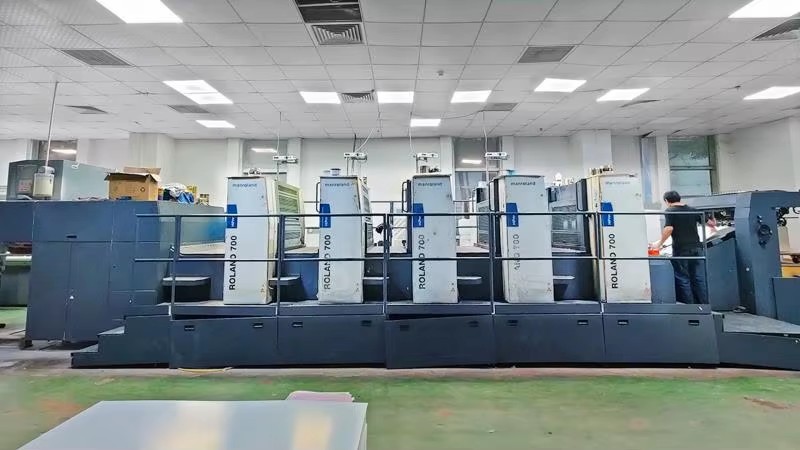
Visual Features
-
Foil stamping for metallic accents
-
Spot UV for glossy highlights
-
Window patches for product visibility
Functional Features
-
Magnetic closures for premium feel
-
Ribbon pulls for easy opening
-
Custom inserts for product security
Surprise Elements
-
Interior printing
-
Hidden messages
-
QR codes linking to content
-
Perforated tear strips
Conclusion
Creating your own brand box is a journey worth taking. With careful planning, quality materials, and the right manufacturing partner—like Zhe Jiang Wenzhou Longgang Qiangyi Paper&Plastic Package Factory—you can create packaging that protects your products, expresses your brand, and delights your customers. The boxes you create today become part of your brand identity for years to come.

Related Articles
Custom Printed Gift Boxes & Adhesive Labels – One-Stop Packaging Shop
Get custom printed gift boxes and adhesive labels from Qiangyi Packaging. Perfect for weddings, holidays, and product la...
Apr 04, 2026Wholesale Kraft Paper Bags with Handles – Biodegradable & Custom Printed for Retail
Order wholesale kraft paper bags with handles from Qiangyi Packaging. Biodegradable, custom printed, and available in mu...
Apr 04, 2026Eco-Friendly Custom Paper Boxes Wholesale – Sustainable Packaging for Small
Looking for eco-friendly custom paper boxes wholesale? Qiangyi Packaging offers biodegradable, branded paper boxes for e...
Apr 04, 2026Building a Sustainable Packaging Strategy: From Material Selection to End-of-Life
Developing a comprehensive sustainable packaging strategy requires considering the entire lifecycle—from raw material so...
Mar 27, 2026The Economics of Custom Paper Packaging: Cost Drivers, Value Optimization, and ROI
Understanding the economics of custom paper packaging is essential for making informed sourcing decisions. This comprehe...
Mar 27, 2026The Future of Paper Packaging: Trends, Technologies, and Sustainability Innovations
The paper packaging industry is undergoing rapid transformation driven by technology, sustainability demands, and changi...
Mar 25, 2026Mastering International Packaging Standards: A Guide for Global Businesses
Navigating international packaging standards can be complex for businesses exporting products globally. This comprehensi...
Mar 25, 2026The Ultimate Guide to Custom Rigid Boxes: Luxury Packaging for Premium Products
Rigid boxes represent the pinnacle of paper packaging—sturdy, beautiful, and undeniably premium. This comprehensive guid...
Mar 25, 2026Paper Bags vs. Plastic Bags: Why Custom Paper Bags Are the Sustainable Choice for Modern Retail
As consumers increasingly demand sustainable options, paper bags have emerged as the preferred choice for retailers worl...
Mar 25, 2026Custom Printed Logo Boxes: How Branded Packaging Builds Recognition and Trust
Your logo is your brand's signature. This comprehensive guide explores how custom printed logo boxes from Zhe Jiang Wen...
Mar 25, 2026Color Box Printing: Mastering the Art of Vibrant, Eye-Catching Packaging
Color captures attention, conveys emotion, and communicates brand personality. This comprehensive guide explores color b...
Mar 25, 2026Kraft Paper Boxes: The Natural Choice for Sustainable, Stylish Packaging
Kraft paper boxes combine natural aesthetics with exceptional strength. This comprehensive guide explores the benefits, ...
Mar 25, 2026