

 English
 Русский язык
 Português
 Հայերեն
 日本語
日本語
 繁體中文
繁體中文
 بالعربية
 Tiếng Việt
 한국어
한국어
The paper packaging industry stands at a fascinating crossroads. Traditional manufacturing methods are being transformed by digital technology. Sustainability demands are driving material innovation. Consumer expectations are reshaping design priorities. For businesses seeking to stay ahead, understanding these emerging trends is essential. This comprehensive guide explores the forces shaping the future of paper packaging and how forward-thinking manufacturers like Zhe Jiang Wenzhou Longgang Qiangyi Paper&Plastic Package Factory are positioning themselves for tomorrow's challenges.
Trend One: The Sustainability Revolution
Beyond Recyclable: The Circular Economy
Sustainability in packaging is evolving from simple recyclability toward comprehensive circular economy principles:
Design for Circularity
Packaging is increasingly designed for complete material recovery. This means:
-
Single-material construction for easier recycling
-
Elimination of mixed materials that complicate recovery
-
Clear recycling instructions printed on packaging
-
Compatibility with existing recycling infrastructure
Closed-Loop Systems
Manufacturers are developing systems to reclaim and reuse materials:
-
Take-back programs for used packaging
-
Closed-loop recycling within production facilities
-
Partnerships with recycling companies
-
Certification of recycled content
Compostable Innovation
For applications where recycling isn't feasible, compostable packaging is advancing:
-
Home-compostable materials for consumer convenience
-
Industrial composting specifications for commercial applications
-
Clear labeling to guide proper disposal
-
Testing for soil safety and biodegradation
Alternative Fibers
The paper industry is diversifying beyond traditional wood pulp:
Agricultural Residue
-
Wheat straw: Uses agricultural byproduct
-
Sugarcane bagasse: Waste from sugar production
-
Rice husks: Utilizing rice processing waste
-
Corn stalks: Converting agricultural residue
Fast-Growing Fibers
-
Bamboo: Rapid growth, minimal water requirements
-
Hemp: High yield, low environmental impact
-
Kenaf: Fast-growing, strong fibers
-
Cotton linters: Textile industry byproduct
Innovative Materials
-
Mushroom mycelium: Grown into packaging shapes
-
Seaweed: Marine-based biodegradable options
-
Algae: Renewable, fast-growing material
-
Agricultural waste: Converting crop residues
Carbon Footprint Reduction
Manufacturers are increasingly focused on reducing carbon impact:
Renewable Energy
-
Solar-powered production facilities
-
Wind energy for manufacturing
-
Biomass energy from waste materials
-
Carbon-neutral manufacturing processes
Lightweighting
-
Reducing material usage without compromising strength
-
Advanced structural designs using less paper
-
Optimized packaging for transport efficiency
-
Reduced shipping emissions through lighter packaging
Local Sourcing
-
Regional material sourcing reducing transport
-
Local manufacturing for target markets
-
Reduced supply chain emissions
-
Supporting regional economies
Trend Two: Digital Transformation
Smart and Connected Packaging
Packaging is becoming interactive and intelligent:
QR Code Integration
-
Seamless connections to digital content
-
Product authentication and traceability
-
Usage instructions and tutorials
-
Marketing and promotional links
-
Customer feedback collection
Near Field Communication (NFC)
-
Tap-to-connect technology
-
Premium interactive experiences
-
Product authentication
-
Loyalty program integration
-
Personalized content delivery
Augmented Reality (AR)
-
Packaging that comes alive through smartphones
-
Virtual try-on for cosmetics
-
Product demonstrations
-
Interactive storytelling
-
Gamified experiences
Internet of Things (IoT)
-
Temperature-sensitive indicators
-
Freshness monitoring for food
-
Tamper-evident digital seals
-
Supply chain tracking
-
Usage monitoring for consumables
Digital Printing Revolution
Digital printing is transforming packaging production:
Mass Customization
-
Personalized packaging for individual customers
-
Variable data printing for unique content
-
Regional variations without separate runs
-
Limited editions economically feasible
-
Seasonal packaging without inventory risk
Short-Run Economics
-
No minimum quantities for digital
-
Economical test runs and prototypes
-
Fast turnaround for urgent needs
-
Reduced inventory obsolescence
-
Agility for market testing
On-Demand Production
-
Print-on-demand capabilities
-
Reduced warehousing requirements
-
Just-in-time inventory
-
Elimination of obsolete packaging
-
Flexible response to demand
Automation and Artificial Intelligence
Manufacturing is becoming smarter:
Automated Quality Control
-
Computer vision inspection systems
-
AI-powered defect detection
-
Real-time quality monitoring
-
Predictive maintenance
-
Data-driven process optimization
Production Efficiency
-
Automated setup and changeover
-
Robotic material handling
-
Intelligent production scheduling
-
Energy optimization systems
-
Waste reduction algorithms
Design Automation
-
AI-assisted structural design
-
Automated die-line generation
-
Intelligent material selection
-
Cost optimization algorithms
-
Design-for-manufacturing analysis
Trend Three: E-Commerce Evolution
Direct-to-Consumer Optimization
E-commerce is reshaping packaging requirements:
Right-Sized Packaging
-
Custom dimensions eliminating void fill
-
Reduced shipping cube for efficiency
-
Optimized for carrier rate structures
-
Minimized material usage
-
Lower carbon footprint
Unboxing Experience
-
Packaging designed for social sharing
-
Memorable opening experiences
-
Interior branding and messaging
-
Surprise elements and delights
-
Share-worthy moments
Frustration-Free Packaging
-
Easy opening without tools
-
Clear opening instructions
-
Reduced packaging layers
-
Sustainable materials prioritized
-
Customer-friendly design
Subscription Packaging
Recurring delivery models demand specialized packaging:
Durable Construction
-
Packaging designed for multiple deliveries
-
Reinforced for repeated handling
-
Consistent appearance over time
-
Long-lasting materials
Modular Design
-
Consistent sizing for fulfillment
-
Customizable inserts for variety
-
Scalable for different products
-
Efficient storage and handling
Brand Consistency
-
Recognizable packaging for recurring customers
-
Evolving designs without complete redesign
-
Seasonal variations within consistent format
-
Loyalty program integration
Trend Four: Personalization and Experience
Beyond Branding: Emotional Connection
Packaging is increasingly designed for emotional resonance:
Storytelling Packaging
-
Packaging that tells brand stories
-
Origin information and transparency
-
Maker stories and craftsmanship
-
Social impact communication
-
Authentic brand narratives
Sensory Experience
-
Tactile finishes for touch appeal
-
Scented coatings for olfactory engagement
-
Auditory elements for sound feedback
-
Visual depth and dimension
-
Multi-sensory unboxing
Emotional Design
-
Packaging that evokes specific feelings
-
Nostalgia-inspired designs
-
Joyful and celebratory elements
-
Comforting and reassuring aesthetics
-
Memorable emotional connections
Hyper-Personalization
Individualized packaging is becoming accessible:
Variable Data Printing
-
Customer names on packaging
-
Personalized messages and images
-
Individual QR codes for unique content
-
Customized recommendations
-
Personalization at scale
Collaborative Design
-
Customer participation in design
-
Crowdsourced packaging concepts
-
Limited editions with influencers
-
Co-created brand experiences
-
Community involvement
Dynamic Content
-
Packaging that changes with use
-
Reveal messages over time
-
Interactive elements
-
Evolving designs for product lifecycles
-
Seasonal adaptations
Trend Five: Advanced Materials and Manufacturing
Nanotechnology Applications
Nano-scale innovations are enhancing paper packaging:
Barrier Properties
-
Nano-coatings for moisture resistance
-
Oxygen barriers for food preservation
-
Grease resistance for oily products
-
Antimicrobial properties for hygiene
-
UV protection for light-sensitive products
Strength Enhancement
-
Nano-fiber reinforcement
-
Improved tear resistance
-
Enhanced structural integrity
-
Lightweighting without compromise
-
Durability improvements
Smart Features
-
Nano-sensors for freshness monitoring
-
Temperature indicators
-
Time-temperature integration
-
Tamper evidence at nano-scale
-
Traceability markers
Bio-Based Coatings and Adhesives
Traditional petroleum-based materials are being replaced:
Biodegradable Coatings
-
Plant-based barrier coatings
-
Compostable moisture barriers
-
Water-based biodegradable options
-
Renewable resource alternatives
-
End-of-life compatibility
Sustainable Adhesives
-
Bio-based adhesive formulations
-
Recyclable bonding solutions
-
Compostable adhesive options
-
Reduced toxicity
-
Renewable sourcing
Natural Inks
-
Algae-based inks
-
Plant-derived pigments
-
Mineral-based colorants
-
Reduced environmental impact
-
Sustainable sourcing
3D Printing and Additive Manufacturing
New production methods are emerging:
Prototyping Applications
-
Rapid structural prototyping
-
Design validation without tooling
-
Functional testing capabilities
-
Accelerated development cycles
-
Reduced time-to-market
Custom Tooling
-
3D-printed dies for short runs
-
Custom finishing tools on demand
-
Rapid tooling modifications
-
Reduced tooling costs
-
Flexibility for small batches
Direct Packaging Production
-
3D-printed packaging for specialty applications
-
Complex geometries impossible with traditional methods
-
Low-volume production capability
-
Customization at extreme levels
-
Emerging commercial applications
Trend Six: Regulatory and Consumer Transparency
Chemical Safety
Increasing scrutiny of packaging materials:
PFAS Elimination
-
Removal of per- and polyfluoroalkyl substances
-
Alternative grease-proofing technologies
-
Compostable moisture barriers
-
Safe material alternatives
-
Regulatory compliance
Food Contact Safety
-
Enhanced testing protocols
-
Migration testing requirements
-
Global regulatory alignment
-
Certification documentation
-
Consumer safety assurance
Material Disclosure
-
Ingredient transparency
-
Material composition disclosure
-
Safety data availability
-
Supply chain traceability
-
Consumer information
Environmental Claims
Demand for verified sustainability claims:
Third-Party Certification
-
FSC certification for forestry
-
Recycled content verification
-
Carbon footprint documentation
-
Biodegradability certification
-
Compostability verification
Life Cycle Assessment
-
Comprehensive environmental impact analysis
-
Carbon footprint quantification
-
Water usage assessment
-
Resource depletion evaluation
-
Comparative environmental performance
Supply Chain Transparency
-
Material origin documentation
-
Manufacturing process disclosure
-
Labor practice verification
-
Ethical sourcing certification
-
Full traceability
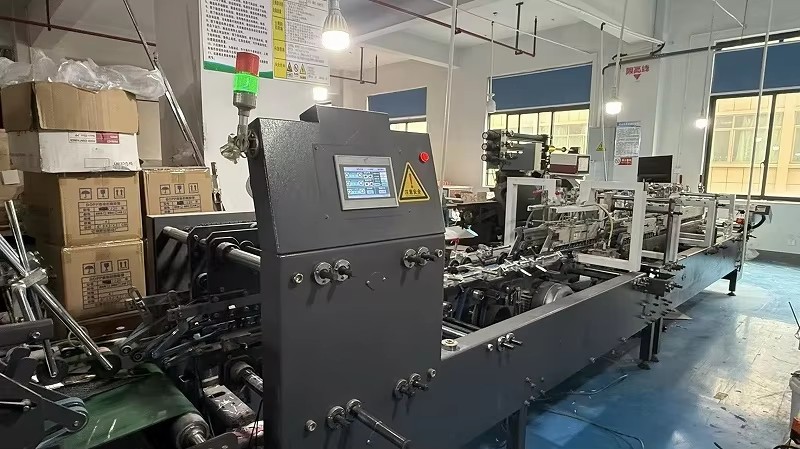
The Manufacturer's Response: Zhe Jiang Wenzhou Longgang Qiangyi Paper&Plastic Package Factory
Embracing Innovation
Since 2017, Qiangyi has positioned itself for the future:
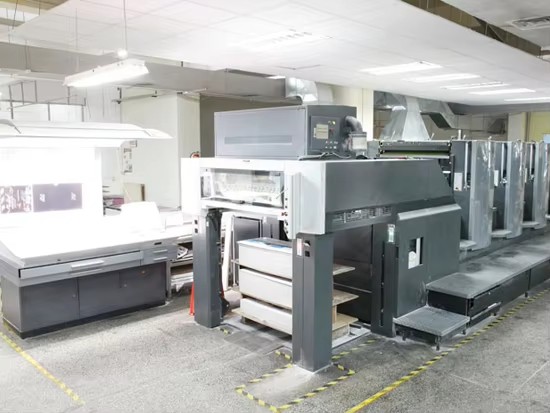
Technology Investment
-
Modern equipment for current needs
-
Digital printing capabilities
-
Quality control systems
-
Continuous improvement programs
Sustainability Commitment
-
Eco-friendly material options
-
Waste reduction initiatives
-
Recycling programs
-
Sustainable practices adoption
Customer Partnership
-
Collaborative innovation
-
Customized solutions
-
Responsive service
-
Long-term relationship focus
Conclusion
The future of paper packaging is being shaped by powerful forces: sustainability imperatives, digital transformation, e-commerce evolution, personalization demands, advanced materials, and regulatory transparency. For businesses seeking to stay ahead, understanding these trends is essential. Zhe Jiang Wenzhou Longgang Qiangyi Paper&Plastic Package Factory is positioned to help clients navigate this evolving landscape—combining traditional packaging expertise with innovation capabilities to deliver packaging solutions that meet tomorrow's challenges today.


Related Articles
Custom Printed Gift Boxes & Adhesive Labels – One-Stop Packaging Shop
Get custom printed gift boxes and adhesive labels from Qiangyi Packaging. Perfect for weddings, holidays, and product la...
Apr 04, 2026Wholesale Kraft Paper Bags with Handles – Biodegradable & Custom Printed for Retail
Order wholesale kraft paper bags with handles from Qiangyi Packaging. Biodegradable, custom printed, and available in mu...
Apr 04, 2026Eco-Friendly Custom Paper Boxes Wholesale – Sustainable Packaging for Small
Looking for eco-friendly custom paper boxes wholesale? Qiangyi Packaging offers biodegradable, branded paper boxes for e...
Apr 04, 2026Building a Sustainable Packaging Strategy: From Material Selection to End-of-Life
Developing a comprehensive sustainable packaging strategy requires considering the entire lifecycle—from raw material so...
Mar 27, 2026The Economics of Custom Paper Packaging: Cost Drivers, Value Optimization, and ROI
Understanding the economics of custom paper packaging is essential for making informed sourcing decisions. This comprehe...
Mar 27, 2026The Future of Paper Packaging: Trends, Technologies, and Sustainability Innovations
The paper packaging industry is undergoing rapid transformation driven by technology, sustainability demands, and changi...
Mar 25, 2026Mastering International Packaging Standards: A Guide for Global Businesses
Navigating international packaging standards can be complex for businesses exporting products globally. This comprehensi...
Mar 25, 2026The Ultimate Guide to Custom Rigid Boxes: Luxury Packaging for Premium Products
Rigid boxes represent the pinnacle of paper packaging—sturdy, beautiful, and undeniably premium. This comprehensive guid...
Mar 25, 2026Paper Bags vs. Plastic Bags: Why Custom Paper Bags Are the Sustainable Choice for Modern Retail
As consumers increasingly demand sustainable options, paper bags have emerged as the preferred choice for retailers worl...
Mar 25, 2026Custom Printed Logo Boxes: How Branded Packaging Builds Recognition and Trust
Your logo is your brand's signature. This comprehensive guide explores how custom printed logo boxes from Zhe Jiang Wen...
Mar 25, 2026Color Box Printing: Mastering the Art of Vibrant, Eye-Catching Packaging
Color captures attention, conveys emotion, and communicates brand personality. This comprehensive guide explores color b...
Mar 25, 2026Kraft Paper Boxes: The Natural Choice for Sustainable, Stylish Packaging
Kraft paper boxes combine natural aesthetics with exceptional strength. This comprehensive guide explores the benefits, ...
Mar 25, 2026