

 English
 Русский язык
 Português
 Հայերեն
 日本語
日本語
 繁體中文
繁體中文
 بالعربية
 Tiếng Việt
 한국어
한국어
The material you choose for your custom paper boxes affects everything—from product protection and printing quality to cost and environmental impact. With numerous options available, understanding material properties helps you make informed decisions that balance competing priorities. This guide explores the full range of paper packaging materials and their applications.
Understanding Paper Basics
Before diving into specific materials, it helps to understand how paper is characterized:
Weight (GSM)
Grams per square meter measures paper thickness and weight. Common ranges:
-
200-250 GSM: Light folding cartons
-
250-350 GSM: Standard folding cartons
-
350-450 GSM: Heavy-duty cartons
-
450-600+ GSM: Rigid box materials
Caliper (Points)
In some markets, paper is measured in points (thousandths of an inch):
-
18-24 pt: Light to medium weight
-
24-32 pt: Heavy weight
-
32-48+ pt: Rigid box materials
Finish
-
Uncoated: Natural, porous surface
-
Coated one side (C1S): Smooth printing surface on one side
-
Coated two sides (C2S): Smooth both sides
-
Cast coated: High-gloss mirror finish
Major Paper Types for Custom Boxes
Solid Bleached Sulfate (SBS)
Premium paperboard made from bleached chemical pulp:
-
Bright white appearance
-
Excellent printing surface
-
Strong and consistent
-
Food-grade options available
-
Higher cost
-
Ideal for cosmetics, pharmaceuticals, premium products
Solid Unbleached Sulfate (SUS)
Natural kraft paperboard:
-
Brown color from unbleached pulp
-
Very strong fibers
-
Lower cost than SBS
-
Eco-friendly appearance
-
Ideal for natural/organic brands, shipping boxes
Clay-Coated Newsback (CCNB)
Recycled paperboard with clay coating:
-
Made from recycled content
-
Gray back (uncoated side)
-
Lower cost option
-
Less strength than virgin fiber
-
Ideal for mass-market products, promotional packaging
Folding Boxboard (FBB)
Multi-layer board with mechanical and chemical pulp:
-
Excellent stiffness-to-weight ratio
-
Good printing surface
-
Often used for food packaging
-
Balanced performance and cost
Kraft Paper
Natural paper in various weights:
-
Strong fibers for durability
-
Biodegradable and recyclable
-
Distinctive natural look
-
Available bleached (white) or unbleached (brown)
-
Ideal for bags, mailers, natural branding
Rigid Board
Thick, dense board for luxury boxes:
-
Multiple plies laminated together
-
Very sturdy, non-collapsible
-
Wrapped with printed paper
-
Premium feel and durability
-
Ideal for jewelry, electronics, gifts
Coatings and Treatments
Aqueous Coating
Water-based protective coating:
-
Gloss or matte finish
-
Protects against scuffing
-
Recyclable
-
Cost-effective
-
Applied inline during printing
UV Coating
Cured with ultraviolet light:
-
High-gloss or matte options
-
Very durable
-
Can be applied spot or overall
-
Higher cost
-
Premium appearance
Lamination
Plastic film applied to surface:
-
Gloss or matte film
-
Maximum protection
-
Not recyclable (film separates)
-
Premium feel
-
Ideal for frequently handled boxes
Varnish
Printing press applied:
-
Gloss, matte, or satin
-
Less protective than coating or lamination
-
Lowest cost option
-
Can be tinted
Specialty Papers
Metallic Papers
-
Coated with metallic finish
-
Gold, silver, custom colors
-
Premium appearance
-
Requires careful handling in printing
Textured Papers
-
Embossed patterns (linen, leather, etc.)
-
Tactile appeal
-
Hides fingerprints
-
Available in various weights
FSC-Certified Papers
-
From responsibly managed forests
-
Chain-of-custody documentation
-
Same performance as conventional
-
Environmental marketing value
Recycled Content Papers
-
Post-consumer waste percentage
-
Varied appearance (may have specks)
-
Lower environmental impact
-
Communicates sustainability
Material Selection Factors
Product Protection Requirements
-
Weight of product
-
Fragility
-
Stacking during shipping
-
Environmental exposure
Printing Requirements
-
Color complexity
-
Image detail
-
Brand color matching
-
Special effects desired
Budget Constraints
-
Material cost per unit
-
Setup costs for specialty papers
-
Volume pricing tiers
-
Total project budget
Brand Positioning
-
Premium vs. value positioning
-
Environmental messaging
-
Target market expectations
-
Competitive differentiation
Regulatory Requirements
-
Food contact compliance
-
Child safety regulations
-
Export restrictions
-
Recycling requirements
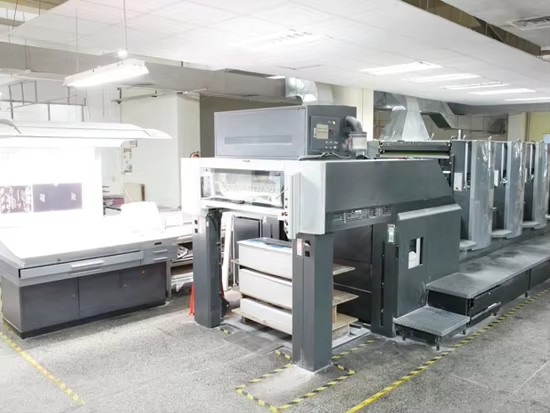
How Zhe Jiang Wenzhou Longgang Qiangyi Paper&Plastic Package Factory Helps with Material Selection
With extensive experience across material types, Qiangyi guides clients through selection:
Needs Assessment
Understanding your product, brand, and budget helps narrow options.
Material Library
Physical samples allow you to feel and compare different papers.
Performance Testing
Samples can be tested with actual products to verify suitability.
Cost Analysis
Clear breakdowns help you understand trade-offs between options.
Sustainability Guidance
Information on environmental attributes supports informed choices.
Common Material Combinations
| Application | Recommended Material |
|---|---|
| Luxury cosmetics | SBS or rigid board with soft-touch lamination |
| Eco-friendly products | Kraft or recycled paperboard |
| Food packaging | Food-grade SBS or coated board |
| E-commerce shipping | Corrugated or heavy kraft |
| Promotional mailers | Lightweight coated board |
Conclusion
Material selection significantly impacts your custom paper boxes' performance, appearance, and cost. By understanding the options and working with experienced partners like Zhe Jiang Wenzhou Longgang Qiangyi Paper&Plastic Package Factory, you can choose materials that perfectly balance your priorities and create packaging that serves your brand effectively.

Related Articles
Custom Printed Gift Boxes & Adhesive Labels – One-Stop Packaging Shop
Get custom printed gift boxes and adhesive labels from Qiangyi Packaging. Perfect for weddings, holidays, and product la...
Apr 04, 2026Wholesale Kraft Paper Bags with Handles – Biodegradable & Custom Printed for Retail
Order wholesale kraft paper bags with handles from Qiangyi Packaging. Biodegradable, custom printed, and available in mu...
Apr 04, 2026Eco-Friendly Custom Paper Boxes Wholesale – Sustainable Packaging for Small
Looking for eco-friendly custom paper boxes wholesale? Qiangyi Packaging offers biodegradable, branded paper boxes for e...
Apr 04, 2026Building a Sustainable Packaging Strategy: From Material Selection to End-of-Life
Developing a comprehensive sustainable packaging strategy requires considering the entire lifecycle—from raw material so...
Mar 27, 2026The Economics of Custom Paper Packaging: Cost Drivers, Value Optimization, and ROI
Understanding the economics of custom paper packaging is essential for making informed sourcing decisions. This comprehe...
Mar 27, 2026The Future of Paper Packaging: Trends, Technologies, and Sustainability Innovations
The paper packaging industry is undergoing rapid transformation driven by technology, sustainability demands, and changi...
Mar 25, 2026Mastering International Packaging Standards: A Guide for Global Businesses
Navigating international packaging standards can be complex for businesses exporting products globally. This comprehensi...
Mar 25, 2026The Ultimate Guide to Custom Rigid Boxes: Luxury Packaging for Premium Products
Rigid boxes represent the pinnacle of paper packaging—sturdy, beautiful, and undeniably premium. This comprehensive guid...
Mar 25, 2026Paper Bags vs. Plastic Bags: Why Custom Paper Bags Are the Sustainable Choice for Modern Retail
As consumers increasingly demand sustainable options, paper bags have emerged as the preferred choice for retailers worl...
Mar 25, 2026Custom Printed Logo Boxes: How Branded Packaging Builds Recognition and Trust
Your logo is your brand's signature. This comprehensive guide explores how custom printed logo boxes from Zhe Jiang Wen...
Mar 25, 2026Color Box Printing: Mastering the Art of Vibrant, Eye-Catching Packaging
Color captures attention, conveys emotion, and communicates brand personality. This comprehensive guide explores color b...
Mar 25, 2026Kraft Paper Boxes: The Natural Choice for Sustainable, Stylish Packaging
Kraft paper boxes combine natural aesthetics with exceptional strength. This comprehensive guide explores the benefits, ...
Mar 25, 2026