

 English
 Русский язык
 Português
 Հայերեն
 日本語
日本語
 繁體中文
繁體中文
 بالعربية
 Tiếng Việt
 한국어
한국어
The global push for sustainability has transformed every industry, and packaging is no exception. Consumers demand environmentally responsible options, regulators impose stricter requirements, and forward-thinking brands recognize that sustainability is not just ethical—it's good business. China factories, once associated primarily with low cost, are now at the forefront of packaging sustainability innovation.
The Sustainability Imperative
Why sustainability matters in packaging:
Consumer Demand
Studies consistently show that consumers prefer brands with environmental credentials. A significant percentage will pay more for sustainable packaging and will switch brands based on environmental concerns.
Regulatory Pressure
Governments worldwide are implementing stricter regulations on packaging waste, single-use plastics, and recyclability. Forward-thinking brands anticipate these requirements rather than scrambling to comply later.
Brand Reputation
Visible commitment to sustainability enhances brand image. Packaging that communicates environmental responsibility builds trust and loyalty.
Cost Savings
Sustainable practices often reduce material usage, energy consumption, and waste—all of which can lower costs over time.
How China Factories Are Responding
China's packaging industry has embraced sustainability with characteristic speed and scale. Factories like Zhe Jiang Wenzhou Longgang Qiangyi Paper&Plastic Package Factory are implementing comprehensive sustainability programs:
Material Innovation
-
Offering FSC-certified papers from responsibly managed forests
-
Sourcing recycled content paperboard with verified post-consumer waste percentages
-
Developing alternative fibers (bamboo, sugarcane bagasse) for specialized applications
-
Eliminating problematic materials from product lines
Process Improvements
-
Reducing energy consumption through efficient equipment
-
Minimizing waste through optimized production planning
-
Recycling production waste internally
-
Using water-based rather than solvent-based inks
Product Design
-
Creating boxes that use less material without compromising strength
-
Designing for easy recyclability (minimal mixed materials)
-
Eliminating non-recyclable components
-
Developing reusable packaging concepts
Sustainable Material Options from China Factories
Recycled Paperboard
Made from post-consumer waste, recycled paperboard offers:
-
Significant environmental footprint reduction
-
Cost-effectiveness compared to virgin fiber
-
Unique aesthetic that communicates sustainability
-
Availability in various grades and finishes
FSC-Certified Paper
From responsibly managed forests, FSC-certified paper provides:
-
Assurance of sustainable forestry practices
-
Chain-of-custody documentation for claims
-
Same quality as conventional paper
-
Premium positioning for eco-conscious brands
Kraft Paper
Natural, unbleached kraft paper offers:
-
Biodegradability without special processing
-
Strong, long fibers for durability
-
Distinctive natural appearance
-
Often contains recycled content
Agricultural Fiber Alternatives
Emerging options include:
-
Bamboo paper for strength and rapid renewability
-
Sugarcane bagasse for waste utilization
-
Hemp paper for durability and sustainability
-
Wheat straw for agricultural residue use
Eco-Friendly Printing and Finishing
Sustainability extends beyond paper choice:
Inks
-
Soy-based inks from renewable resources
-
Water-based inks with lower VOC emissions
-
UV-cured inks with energy-efficient curing
-
Minimal ink coverage designs
Coatings
-
Water-based coatings recyclable in standard streams
-
Biodegradable alternatives to plastic lamination
-
Minimal coating strategies leaving paper uncoated
-
Design that works without coatings
Adhesives
-
Water-based adhesives for easy recycling
-
Biodegradable options for compostable packaging
-
Minimal adhesive application through precision equipment
-
Cold-set adhesives reducing energy use
The Circular Economy Approach
Leading China factories embrace circular economy principles:
Design for Recycling
Boxes designed to be easily recycled:
-
Minimal mixed materials
-
Easy separation of components
-
Clear recycling instructions
-
Compatibility with existing recycling streams
Design for Composting
For appropriate applications, boxes designed to biodegrade:
-
Compostable materials only
-
Inks and coatings that won't harm composting
-
Clear disposal instructions
Closed-Loop Systems
Some factories participate in:
-
Take-back programs for used packaging
-
Recycling of their own production waste
-
Partnerships with recyclers
Zhe Jiang Wenzhou Longgang Qiangyi Paper&Plastic Package Factory's Sustainability Commitment
Since its founding in 2017, Qiangyi has integrated sustainability into its operations:
Material Sourcing
-
Preference for suppliers with environmental credentials
-
FSC-certified options available
-
Recycled content materials in product line
Production Practices
-
Energy-efficient equipment reducing carbon footprint
-
Waste minimization programs
-
Recycling of all production scrap
-
Water-based inks as standard
Client Guidance
-
Educating clients on sustainable options
-
Providing environmental specifications for claims
-
Helping balance sustainability with budget and performance
Certifications to Look For
When evaluating sustainability claims, look for:
FSC (Forest Stewardship Council)
Ensures paper comes from responsibly managed forests.
Recycled Content Certification
Verifies percentage of post-consumer or post-industrial waste.
ISO 14001
Environmental management system certification.
Carbon Footprint Documentation
Some factories provide carbon footprint calculations.
Challenges and Solutions
Challenge: Sustainable materials sometimes cost more.
Solution: Design optimization reduces material usage, offsetting higher material costs.
Challenge: Performance requirements limit sustainable options.
Solution: Hybrid approaches use sustainable materials where possible, conventional where necessary.
Challenge: Verification of claims is difficult.
Solution: Work with certified factories and request documentation.
Conclusion
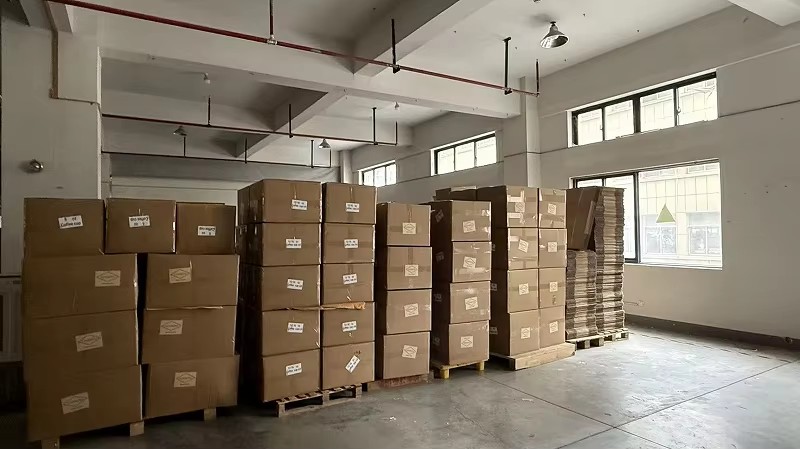
China factories have transformed from low-cost producers to sustainability leaders in packaging. Zhe Jiang Wenzhou Longgang Qiangyi Paper&Plastic Package Factory exemplifies this evolution, offering eco-friendly custom paper boxes that meet the highest environmental standards while maintaining the quality and value clients expect. By choosing partners committed to sustainability, brands can satisfy customers, meet regulations, and build reputations as responsible businesses.


Related Articles
Custom Printed Gift Boxes & Adhesive Labels – One-Stop Packaging Shop
Get custom printed gift boxes and adhesive labels from Qiangyi Packaging. Perfect for weddings, holidays, and product la...
Apr 04, 2026Wholesale Kraft Paper Bags with Handles – Biodegradable & Custom Printed for Retail
Order wholesale kraft paper bags with handles from Qiangyi Packaging. Biodegradable, custom printed, and available in mu...
Apr 04, 2026Eco-Friendly Custom Paper Boxes Wholesale – Sustainable Packaging for Small
Looking for eco-friendly custom paper boxes wholesale? Qiangyi Packaging offers biodegradable, branded paper boxes for e...
Apr 04, 2026Building a Sustainable Packaging Strategy: From Material Selection to End-of-Life
Developing a comprehensive sustainable packaging strategy requires considering the entire lifecycle—from raw material so...
Mar 27, 2026The Economics of Custom Paper Packaging: Cost Drivers, Value Optimization, and ROI
Understanding the economics of custom paper packaging is essential for making informed sourcing decisions. This comprehe...
Mar 27, 2026The Future of Paper Packaging: Trends, Technologies, and Sustainability Innovations
The paper packaging industry is undergoing rapid transformation driven by technology, sustainability demands, and changi...
Mar 25, 2026Mastering International Packaging Standards: A Guide for Global Businesses
Navigating international packaging standards can be complex for businesses exporting products globally. This comprehensi...
Mar 25, 2026The Ultimate Guide to Custom Rigid Boxes: Luxury Packaging for Premium Products
Rigid boxes represent the pinnacle of paper packaging—sturdy, beautiful, and undeniably premium. This comprehensive guid...
Mar 25, 2026Paper Bags vs. Plastic Bags: Why Custom Paper Bags Are the Sustainable Choice for Modern Retail
As consumers increasingly demand sustainable options, paper bags have emerged as the preferred choice for retailers worl...
Mar 25, 2026Custom Printed Logo Boxes: How Branded Packaging Builds Recognition and Trust
Your logo is your brand's signature. This comprehensive guide explores how custom printed logo boxes from Zhe Jiang Wen...
Mar 25, 2026Color Box Printing: Mastering the Art of Vibrant, Eye-Catching Packaging
Color captures attention, conveys emotion, and communicates brand personality. This comprehensive guide explores color b...
Mar 25, 2026Kraft Paper Boxes: The Natural Choice for Sustainable, Stylish Packaging
Kraft paper boxes combine natural aesthetics with exceptional strength. This comprehensive guide explores the benefits, ...
Mar 25, 2026